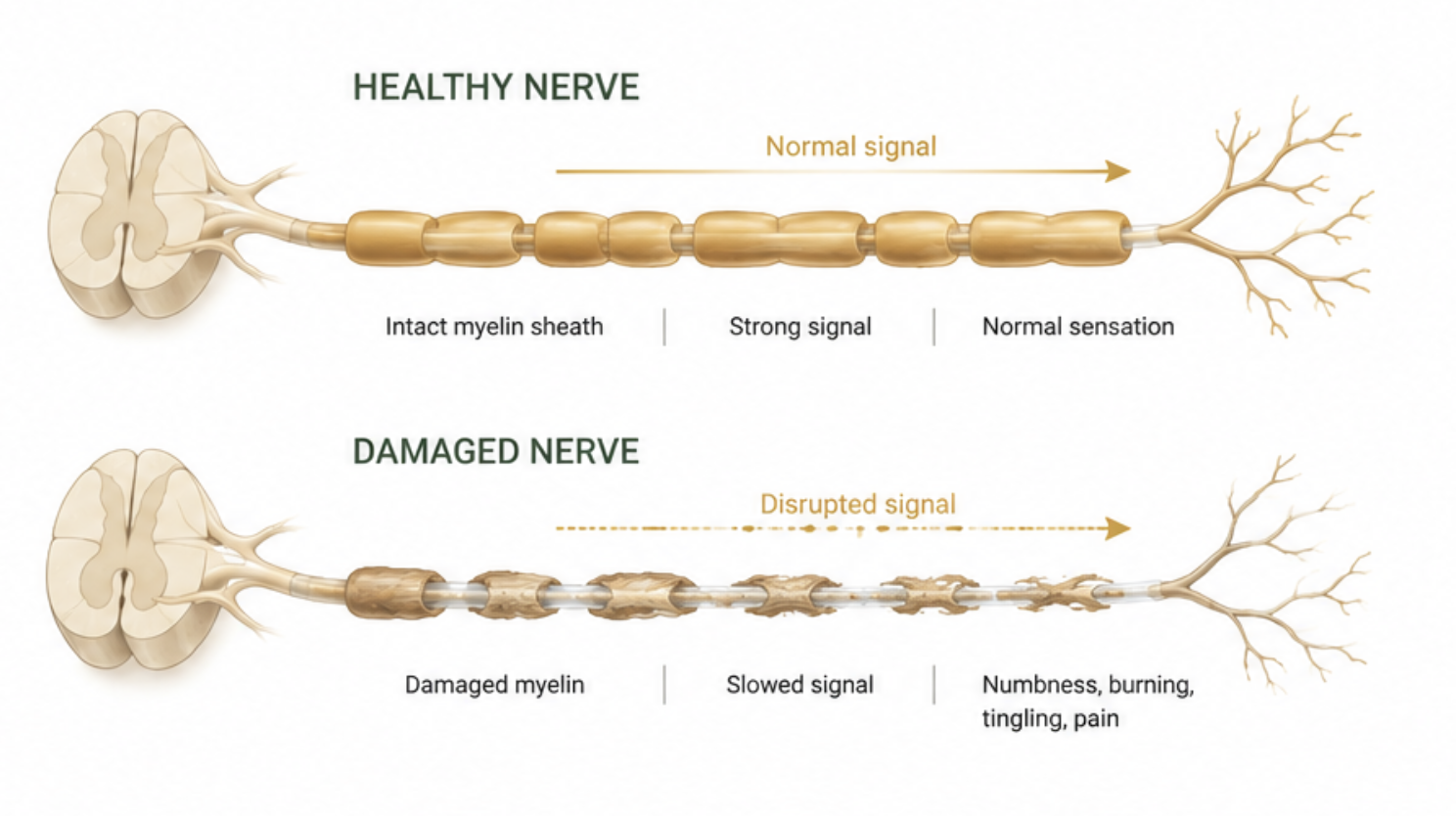
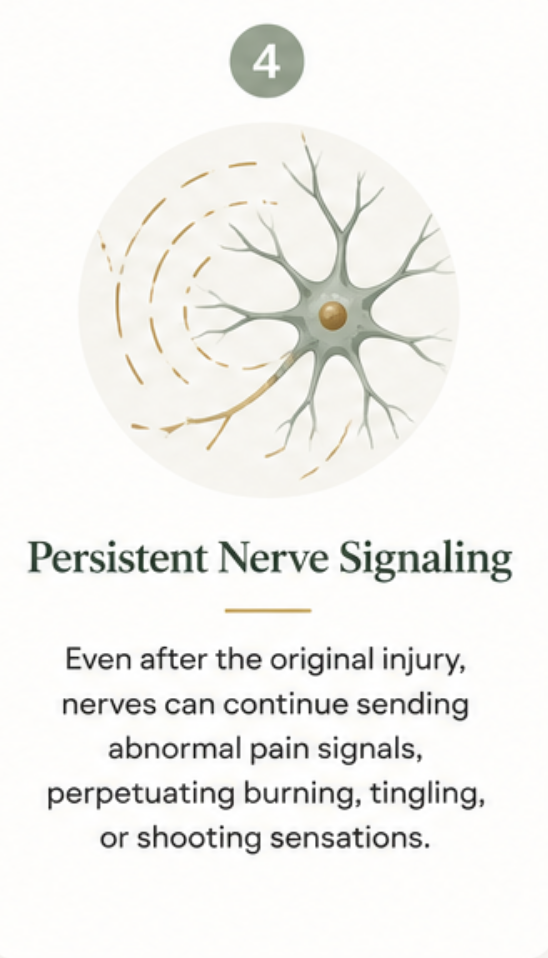
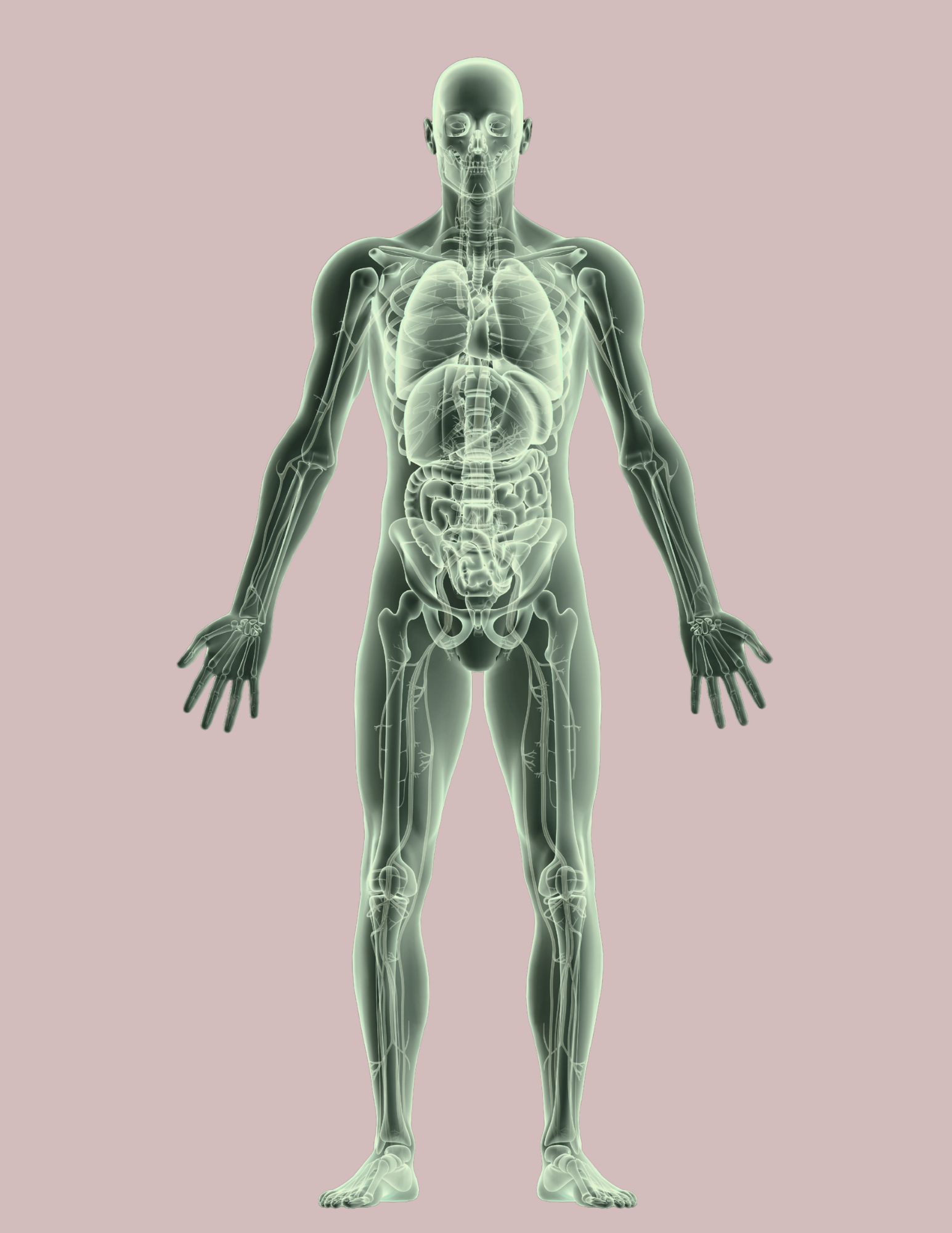
Neuropathy is damage to the peripheral nerves, the network of nerves that carry messages between your brain, spinal cord, and the rest of your body. The longest nerves travel all the way to your feet, which is why symptoms often begin there. When these nerves are damaged, the communication between your brain and your feet becomes distorted. This results in the typical symptoms of numbness, burning, tingling, stabbing pains, and feeling like there is something under your feet as you walk.
Neuropathy isn't a diagnosis by itself, it simply describes a problem with the nerves. Many different conditions can lead to neuropathy, including diabetes, chemotherapy, autoimmune diseases, vitamin deficiencies, infections, injuries, and certain medications. Sometimes, no clear cause is ever identified.


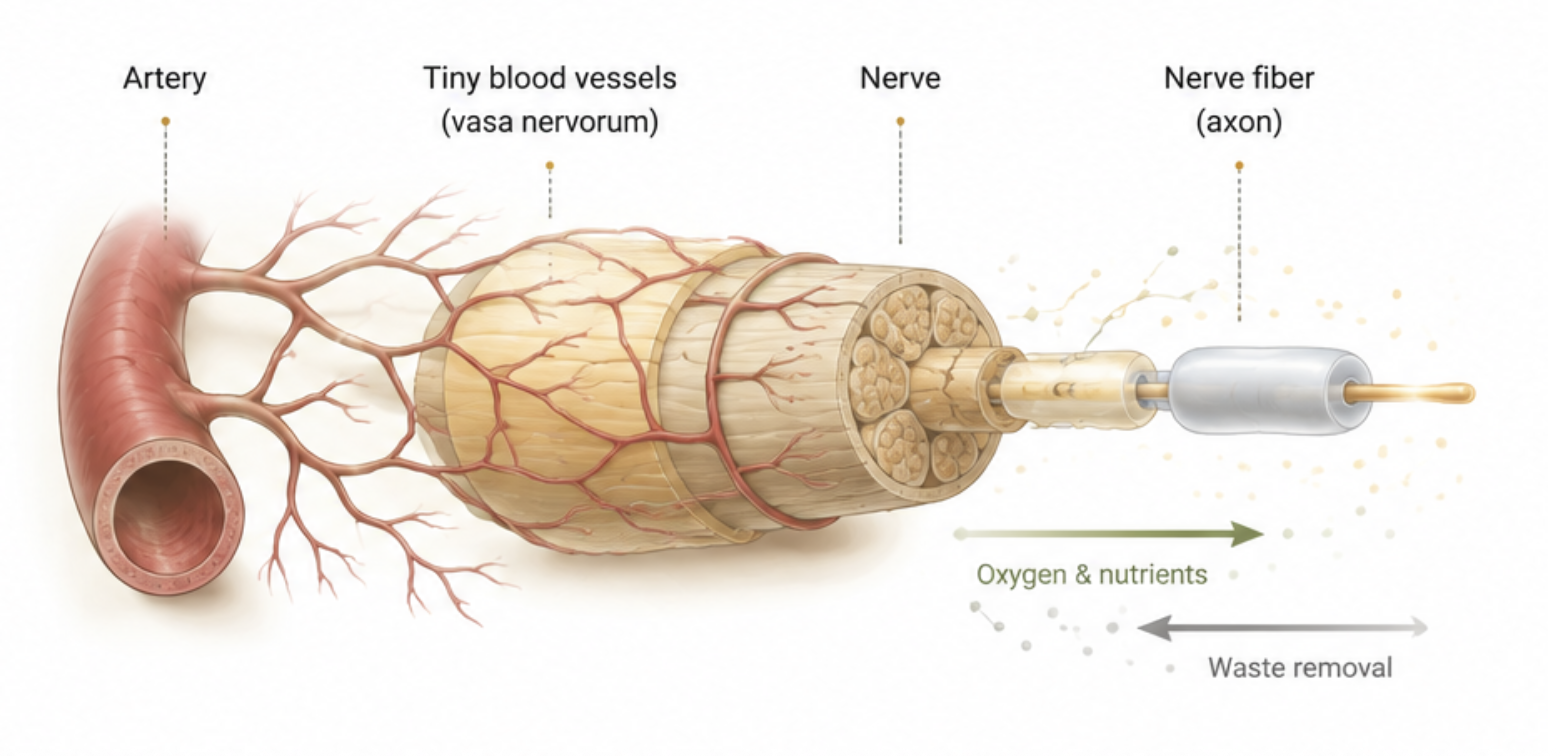
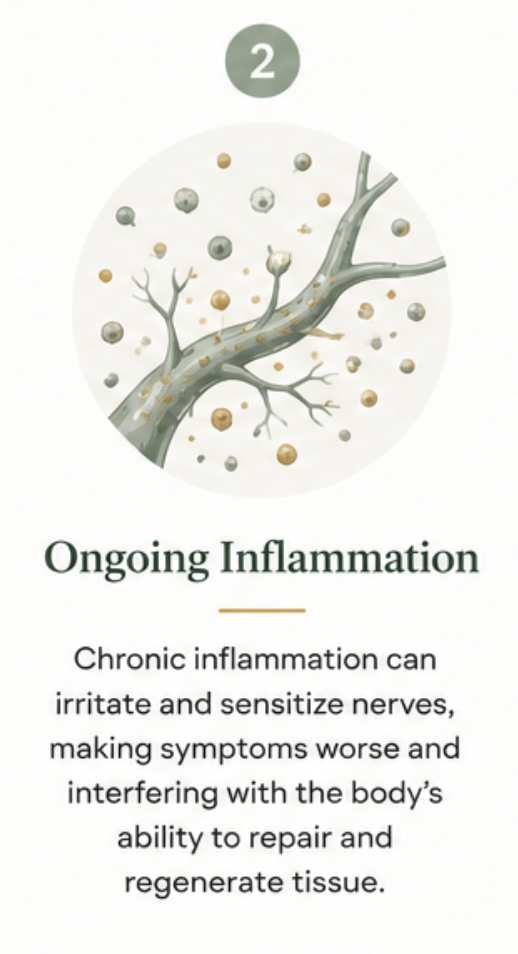
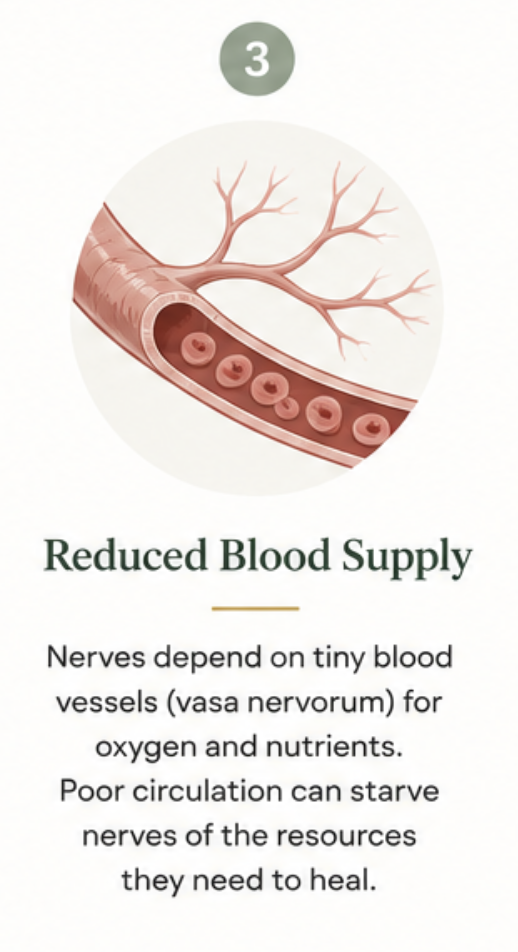
Many people think of their nerves as simply electrical conduits sending impulses like a light switch. The fact is, they are highly sensitive, living tissue with very specialized requirements. In order to function and repair, they need good blood flow, oxygen, glucose, and healthy mitochondrial function for energy. If any of these become impaired, as can happen with diabetes, vascular disease, chronic inflammation, or other conditions, the nerve may not receive the resources it needs to function and repair itself.
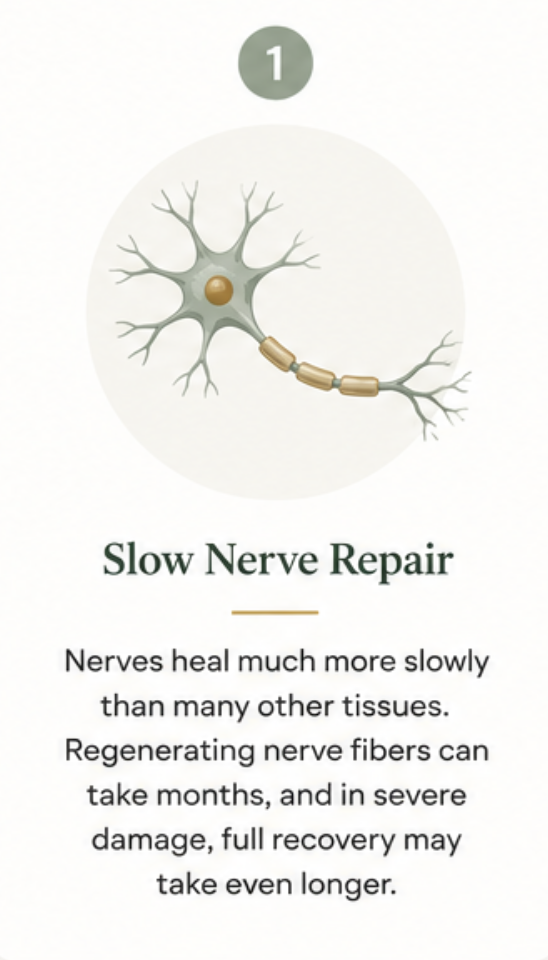
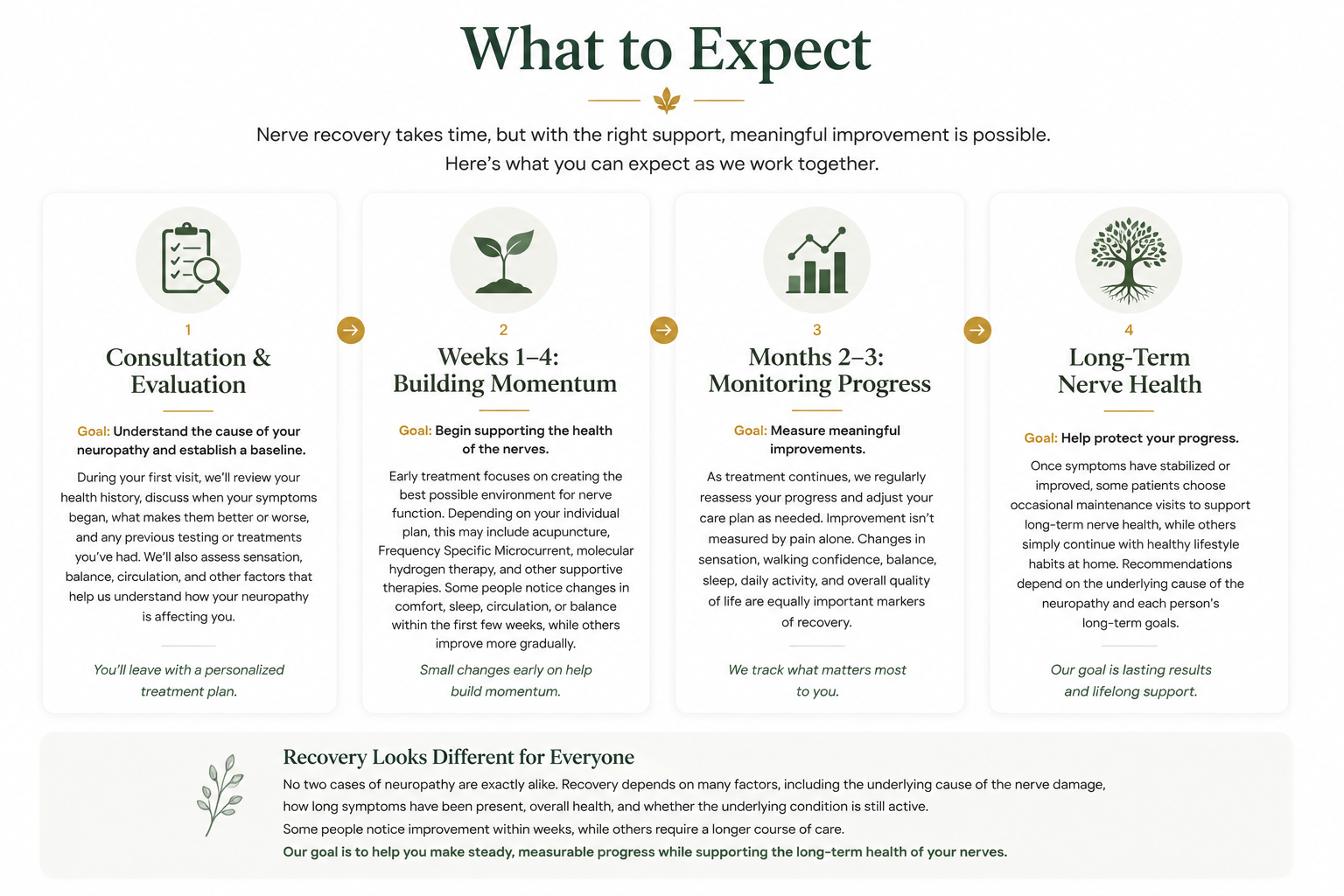
Because nerves rely on adequate circulation, oxygen, and cellular energy, recovery is often slower than people expect. Improving the environment around the nerve while also addressing the underlying cause of the neuropathy is an important part of supporting recovery.